Commercial Property Selling: A Strategic Guide to Maximizing Value and Closing Confidently
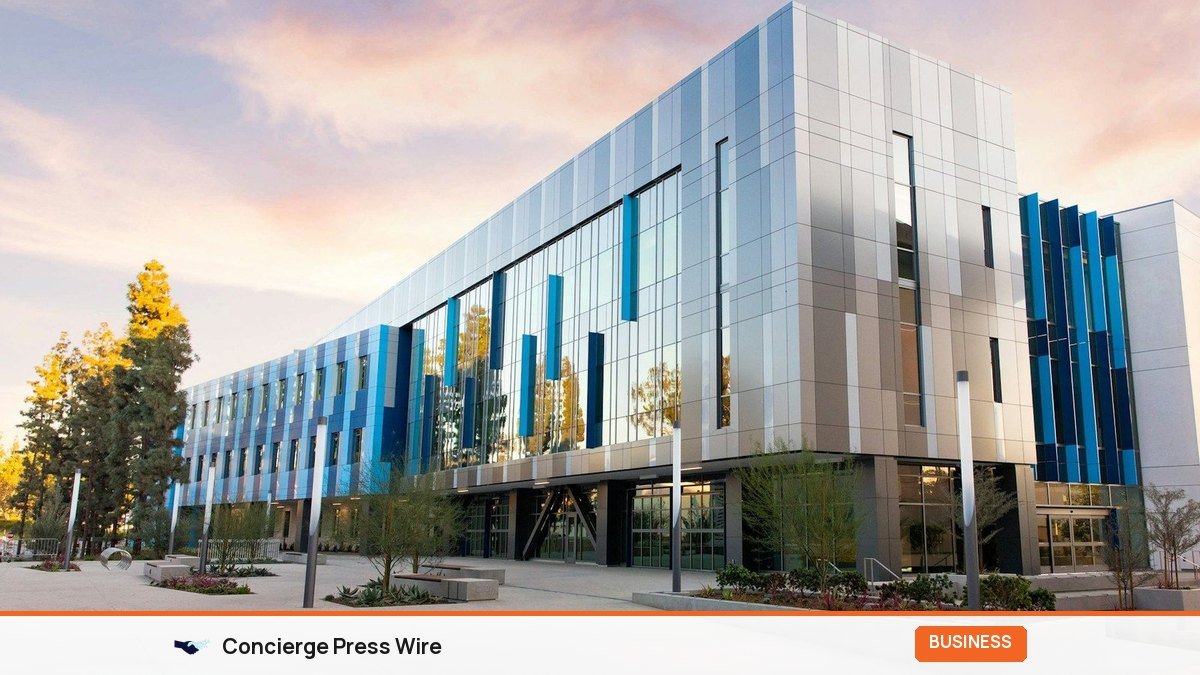
The process of commercial property selling is fundamentally different from selling residential real estate. It involves higher financial stakes, longer timelines, sophisticated buyers, and far more variables that influence value. Many property owners struggle because they approach commercial sales with residential assumptions, which often leads to underpricing, extended listing periods, or weak negotiations.
In today’s competitive commercial property market, buyers are analytical, data-driven, and risk-focused. They evaluate income potential, tenant stability, lease terms, location economics, and future growth not emotional appeal. Sellers who understand this mindset position themselves for stronger offers and smoother transactions.
This guide is designed for property owners, investors, and developers who want clarity and control throughout the selling process. You’ll learn how to prepare a commercial asset, price it correctly, market it strategically, negotiate intelligently, and avoid costly mistakes. Whether you’re selling an office building, retail space, warehouse, or mixed-use asset, this article provides practical, experience-based guidance to help you sell with confidence.
Investors exploring commercial property for sale Washington DC also value the city’s diverse real estate landscape, which includes downtown office buildings, neighborhood retail corridors, and transit-oriented developments. With ongoing infrastructure improvements and redevelopment projects, many commercial properties offer value-add opportunities through renovations or repositioning. As market demand remains resilient, commercial property for sale Washington DC continues to be a strategic choice for investors seeking steady income and capital growth.
Understanding Commercial Property Selling
Commercial property selling refers to the process of transferring ownership of income-producing or business-use real estate. Unlike residential sales, commercial transactions focus primarily on financial performance rather than aesthetics or personal preference.
Buyers analyze cash flow, operating expenses, capitalization rates, lease structures, and long-term viability. Every decision is grounded in numbers, risk assessment, and future projections. As a result, sellers must be prepared with accurate documentation, realistic pricing, and a clear value proposition.
Understanding these fundamentals is the first step toward a successful transaction.
How Commercial Property Selling Differs From Residential Sales
One of the most common mistakes sellers make is underestimating the complexity of commercial transactions. Commercial deals often involve multiple stakeholders, longer due diligence periods, and customized contracts.
Timelines are typically longer because buyers conduct extensive financial, legal, and operational reviews. Financing approvals also take more time due to larger loan amounts and stricter underwriting standards.
Commercial buyers are less emotional but more demanding. They expect transparency, accuracy, and responsiveness throughout the process.
Identifying the Right Time to Sell Commercial Property
Timing plays a critical role in commercial real estate outcomes. Selling during favorable market conditions can significantly increase value, while poor timing can limit buyer interest.
Market cycles, interest rates, vacancy trends, and local economic conditions should all be considered. Internal factors such as lease expirations, tenant turnover, or capital expenditure needs also influence timing decisions.
A strategic seller evaluates both market signals and asset performance before listing.
Preparing for Commercial Property Selling
Preparation is one of the most powerful value drivers in commercial property selling. Buyers are willing to pay premiums for assets that appear organized, stable, and professionally managed.
Preparation begins with documentation. Financial statements, rent rolls, leases, operating expenses, and maintenance records should be current and accurate. Missing or inconsistent data creates uncertainty and weakens negotiating power.
Physical condition also matters. While buyers expect some wear, deferred maintenance raises red flags and often leads to price reductions or extended negotiations.
Improving Asset Presentation Without Over-Investing
Not every improvement increases value. Smart sellers focus on changes that enhance income stability or reduce perceived risk.
Simple actions such as repairing visible defects, improving common areas, and ensuring compliance with safety standards can improve buyer confidence. Major renovations should only be considered if they directly increase rent or occupancy.
Commercial buyers value predictability more than aesthetics. A well-maintained, fully leased property often outperforms a renovated but unstable one.
Commercial Real Estate Valuation Basics
Valuation is central to pricing commercial property correctly. Unlike residential real estate, commercial valuation is primarily income-based.
The most common method is the capitalization rate approach, where value is derived from net operating income divided by market cap rate. Comparable sales and replacement cost are also considered, but income remains the dominant factor.
Understanding how buyers calculate value helps sellers price realistically and defend their asking price during negotiations.
Pricing Commercial Property Strategically
Pricing is one of the most sensitive decisions in commercial property selling. Overpricing discourages serious buyers, while underpricing may leave substantial value unrealized.
A strong pricing strategy reflects current market conditions, asset performance, tenant quality, and risk profile. Sellers should avoid anchoring to past purchase prices or emotional expectations.
Correct pricing attracts qualified buyers and creates leverage during negotiations.
The Role of Market Conditions in Pricing
Market conditions influence buyer behavior significantly. In strong markets, competitive pricing can generate multiple offers. In slower markets, pricing must be conservative to maintain interest.
Interest rates, lending standards, and investor sentiment all affect demand. Sellers who align pricing with these factors improve their chances of timely, successful sales.
Marketing Strategies for Commercial Property Selling
Marketing commercial property requires precision rather than volume. The goal is to reach qualified buyers who understand the asset type and investment profile.
Professional marketing materials should highlight financial performance, tenant information, location advantages, and growth potential. Clear, factual presentation builds credibility.
Targeted outreach through broker networks, investment platforms, and industry channels often outperforms broad advertising.
Creating a Compelling Investment Narrative
Every commercial property has a story. The key is presenting that story through an investor lens.
An effective narrative explains why the property is stable, how income is protected, and where upside exists. Whether it’s lease renewals, rent growth, or redevelopment potential, buyers want clarity.
Selling commercial real estate is as much about communicating value as it is about the asset itself.
Handling Buyer Inquiries and Due Diligence
Due diligence is where many deals stall or fail. Buyers scrutinize financials, leases, legal compliance, zoning, and physical condition.
Sellers who anticipate questions and prepare responses in advance move through this phase more smoothly. Transparency builds trust and reduces renegotiation risk.
Delays or inconsistencies during due diligence often lead to price reductions or buyer withdrawal.
Negotiating Commercial Property Sales
Negotiation in commercial property selling is methodical and data-driven. Buyers rarely negotiate emotionally; they negotiate based on risk, return, and alternatives.
Sellers should be clear about priorities, price, timeline, or certainty of closing. Flexibility in one area can often protect value in another.
Professional, calm negotiation strengthens credibility and improves outcomes.
Evaluating Offers Beyond Price
Price is only one component of an offer. Financing terms, contingencies, deposit size, and buyer experience all matter.
A slightly lower offer from a strong, experienced buyer may result in a smoother and faster closing than a higher but uncertain proposal.
Smart sellers assess the full structure of each offer before deciding.
Managing Risks in Commercial Property Selling
Every sale involves risk. Financing failures, appraisal gaps, tenant issues, or regulatory challenges can derail transactions.
Sellers reduce risk by pricing accurately, disclosing fully, and choosing buyers carefully. Contingency planning is essential, especially for larger assets.
Understanding these risks upfront helps sellers respond strategically rather than reactively.
Tax and Financial Considerations
Tax implications play a major role in commercial sales. Capital gains tax, depreciation recapture, and transaction costs all affect net proceeds.
Some sellers explore strategies such as reinvestment planning or phased exits, depending on goals. Consulting financial professionals early prevents surprises later.
Selling decisions should be evaluated based on net outcomes, not headline prices.
Common Mistakes in Commercial Property Selling
Many sellers harm their own outcomes by rushing to market without preparation, ignoring market data, or resisting realistic pricing.
Another frequent mistake is poor communication. Delayed responses or incomplete information weaken buyer confidence.
Avoiding these errors significantly improves sale probability and value retention.
Mini Summary: What Successful Commercial Sellers Do Right
Successful sellers prepare thoroughly, price realistically, market strategically, and negotiate professionally. They understand buyer priorities and present assets with clarity and confidence.
They treat the sale as a structured financial transaction rather than an emotional event.
Conclusion
Commercial property selling is a complex but highly rewarding process when approached strategically. The distinction between a typical and extraordinary result often lies in preparation, pricing discipline, and market understanding.
By focusing on income performance, risk management, and clear communication, sellers can attract serious buyers and close transactions with confidence. In a market where buyers are analytical and selective, informed sellers gain a powerful advantage.
With the right strategy, commercial property selling becomes not just a transaction, but a well-executed investment decision.
FAQs
What is commercial property selling?
Commercial property selling involves transferring ownership of income-producing or business-use real estate such as offices, retail spaces, or warehouses.
How long does commercial property selling usually take?
It varies by asset type and market conditions, but commercial sales typically take longer than residential transactions due to financing and due diligence.
How is commercial property priced?
Pricing is usually based on net operating income, market capitalization rates, and comparable sales.
What documents are required for selling commercial real estate?
Common documents include rent rolls, leases, financial statements, operating expenses, and compliance records.
Is commercial property selling risky?
All transactions carry risk, but proper preparation, transparency, and buyer selection significantly reduce uncertainty.
Should I renovate before selling a commercial property?
Only if renovations directly improve income or reduce buyer risk. Over-improving rarely increases value proportionally.