Motels for Selling: The Complete Investment and Buyer Guide in the USA
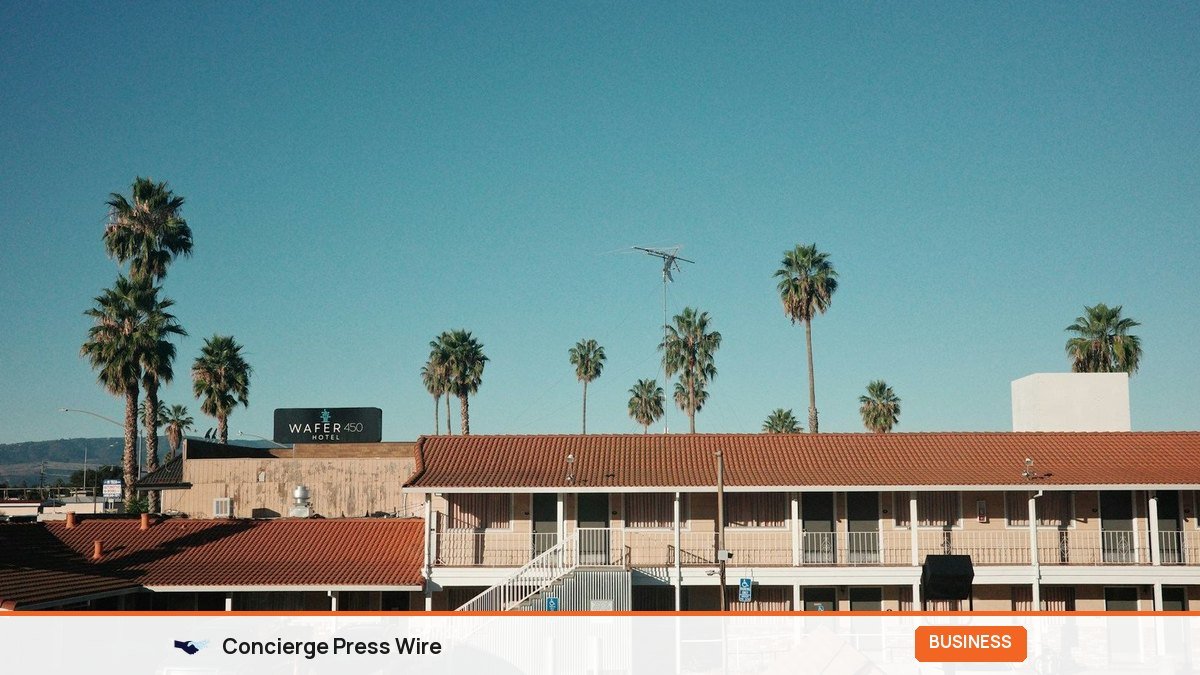
Interest in motels for selling has grown steadily as investors look for affordable, income-producing hospitality properties with strong long-term potential. Unlike large hotels that require significant capital and complex operations, motels offer a simpler business model with consistent demand from travelers, workers, tourists, and budget-conscious guests.
Motels remain an essential part of the American travel infrastructure. From highway travelers and vacationers to contractors and delivery drivers, millions of people rely on motels every year. For buyers, this creates an opportunity to own a cash-flowing asset that can be improved, rebranded, and scaled over time. This guide explores everything you need to know before investing in motel properties in the United States.
A warehouse for sale is a highly sought-after asset for businesses involved in logistics, manufacturing, and distribution. With the rapid growth of e-commerce and supply chain operations, warehouses located near highways, ports, and industrial zones offer excellent operational efficiency and long-term value. Investors are increasingly targeting modern facilities with high ceilings, loading docks, and flexible layouts that support multiple commercial uses.
Understanding the Motel Property Market
Motel properties are lodging facilities designed for short-term stays, typically offering exterior room access and on-site parking. They are commonly located along highways, suburban roads, and near tourist destinations. Their structure allows for quick check-in, easy vehicle access, and lower construction and maintenance costs compared to traditional hotels.
Over time, motel ownership has evolved from small family-run operations to a recognized commercial real estate investment strategy. Many buyers target motels for selling not only for immediate income but also for long-term appreciation through upgrades and improved management.
Why Motels Continue to Be in Demand
The demand for motel accommodations remains strong across the United States due to several factors. Domestic travel continues to grow, especially road-based travel. Many travelers prefer affordable lodging options that offer convenience and flexibility without unnecessary amenities.
Construction crews, transportation workers, traveling nurses, and logistics professionals often rely on motels for extended stays. Additionally, budget tourism has increased as travelers seek cost-effective alternatives to expensive hotels. These trends support ongoing interest in motels for selling across both urban and rural markets.
Types of Motel For Selling Properties Available
Independent Motels
Independent motels are privately owned and not affiliated with major brands. These properties allow owners to set pricing, marketing strategies, and operational standards freely. Independent motels often present strong value-add opportunities through renovations and repositioning.
Franchise Motels
Franchise motels operate under established hospitality brands. These properties benefit from brand recognition, reservation systems, and national marketing. While franchise fees apply, many buyers prefer the stability and visibility franchises provide.
Highway Motels
Highway motels are located along major interstates and travel corridors. They rely heavily on drive-by traffic and spontaneous bookings. Visibility and signage play a major role in performance for these properties.
Tourist Destination Motels
Tourist destination motels operate near beaches, national parks, amusement parks, and historic attractions. These motels often experience seasonal demand but can generate high revenue during peak travel periods.
Advantages of Investing in Motel Properties
Motel investments offer multiple benefits compared to other hospitality assets. Entry costs are typically lower than hotels, making them accessible to first-time investors. Operating expenses are generally lower due to simpler services and staffing requirements.
Ownership of motels for selling allows investors to directly influence profitability. Improvements in cleanliness, room upgrades, pricing strategies, and online visibility can quickly increase revenue. Motels also offer flexibility, as owners can operate them independently or hire professional management.
Best States and Regions to Buy Motels
Location is a critical factor in motel success. States with high tourism, strong road travel, and growing populations offer consistent demand. California attracts travelers year-round, while Florida benefits from beach tourism and seasonal visitors. Texas and Arizona see steady highway traffic and business travel.
Smaller towns along major highways also present excellent opportunities. These locations often have limited competition, lower purchase prices, and stable occupancy driven by essential travel needs.
What Makes a Motel Profitable
Profitability depends on a combination of location, room condition, pricing strategy, and reputation. Well-maintained rooms with clean interiors and modern amenities attract repeat guests and positive reviews.
Online presence plays a major role in revenue generation. Motels with strong ratings on booking platforms perform significantly better. Buyers evaluating motels for selling should analyze occupancy rates, average daily rates, and historical financial performance.
Physical Features That Add Value to Motels
Room layout, parking availability, and property visibility directly affect guest satisfaction. Adequate lighting, secure access, and well-maintained common areas improve safety and comfort.
Upgrades such as modern bathrooms, energy-efficient systems, and reliable Wi-Fi increase guest appeal. Even small renovations can significantly impact nightly rates and occupancy levels.
Pricing Factors for Motel Properties
Motel pricing varies based on location, number of rooms, revenue history, and property condition. Motels in high-traffic or tourist-heavy areas generally sell at higher valuations.
Cash flow consistency is a major factor for lenders and investors. Renovated motels with stable income streams often command premium prices. Buyers exploring motels for selling should carefully review profit and loss statements before making decisions.
Legal and Regulatory Considerations
Motel purchases involve multiple regulatory requirements. Zoning compliance is essential to ensure continued hospitality use. Health department approvals, fire safety inspections, and occupancy permits must be current.
Buyers should review title documents, property taxes, and licensing requirements. Working with legal professionals experienced in hospitality transactions helps reduce risks and ensures compliance.
Financing Options for Motel Buyers
Financing motel properties typically requires commercial lending solutions. SBA loans are commonly used due to favorable terms for hospitality businesses. Private lenders and investor partnerships are also popular options.
Lenders evaluate cash flow, borrower experience, and property condition. Buyers seeking motels for selling should prepare detailed financial documentation to improve financing approval chances.
Motel Management Strategies
Successful motel ownership requires active management or professional oversight. Daily operations include guest services, maintenance, pricing adjustments, and marketing efforts.
Some owners choose to live on-site, reducing staffing costs and increasing operational control. Others hire management companies to handle daily tasks while focusing on investment strategy.
Marketing and Online Visibility
Digital marketing plays a crucial role in motel success. Listings on travel booking platforms, search engine visibility, and customer reviews directly influence bookings.
Owners who invest in branding, signage, and online presence often outperform competitors. Marketing improvements are one of the fastest ways to increase revenue after acquiring motels for selling.
Renovation and Value-Add Opportunities
Many motels offer value-add potential through targeted renovations. Upgrading rooms, improving landscaping, and modernizing facilities can dramatically increase revenue.
Rebranding or transitioning an independent motel into a franchise is another common strategy. These improvements increase asset value and long-term profitability.
Risks to Consider When Buying Motels
Every investment carries risk. Seasonal demand fluctuations can impact cash flow. Unexpected maintenance costs may arise, especially in older properties.
Buyers must also consider local competition, labor availability, and changing travel trends. Thorough due diligence is essential when evaluating motels for selling.
Motel Investment vs Other Hospitality Assets
Compared to hotels, motels offer simpler operations and lower costs. Unlike vacation rentals, motels generate consistent daily income without reliance on short-term rental regulations.
For investors seeking hands-on involvement and steady returns, motels provide a balanced hospitality investment option.
Long-Term Outlook for the Motel Industry
The motel industry continues to adapt to changing traveler expectations. Contactless check-in, online booking systems, and improved guest amenities are becoming standard.
Affordable travel options remain in demand, supporting the long-term outlook for motel ownership. Well-located and well-managed motels are expected to maintain strong market relevance.
Common Buyer Mistakes to Avoid
Failing to analyze financial records can lead to inaccurate profit expectations. Ignoring renovation needs may result in higher costs after purchase.
Buyers should avoid overpaying based on potential rather than proven income. Careful evaluation is essential when investing in motels for selling.
Conclusion
Investing in motels for selling offers a powerful opportunity for buyers seeking affordable entry into the hospitality market with reliable income potential. Motels remain a vital part of the U.S. travel ecosystem, serving millions of guests each year.
With the right location, proper management, and strategic improvements, motel ownership can deliver long-term cash flow and asset appreciation. Careful research, professional guidance, and operational planning are the keys to success in this rewarding investment sector.
FAQs
What does motels for selling mean?
Motels for selling refers to motel properties that are available for purchase by investors or owner-operators.
Are motels profitable investments?
Yes, motels can be highly profitable when located in strong markets and managed efficiently.
How much does it cost to buy a motel?
Costs can significantly vary depending on location, size, and condition, ranging from affordable rural motels to high-value tourist properties.
Can first-time investors buy motels?
Yes, motels are often suitable for first-time investors due to lower entry costs and simpler operations.
What affects motel value the most?
Location, occupancy rates, property condition, and online reputation are the most important factors.